I attended an allyship event in Leeds and came home thinking less about the industry and more about my own front door. Sometimes the most important acts of allyship happen there.
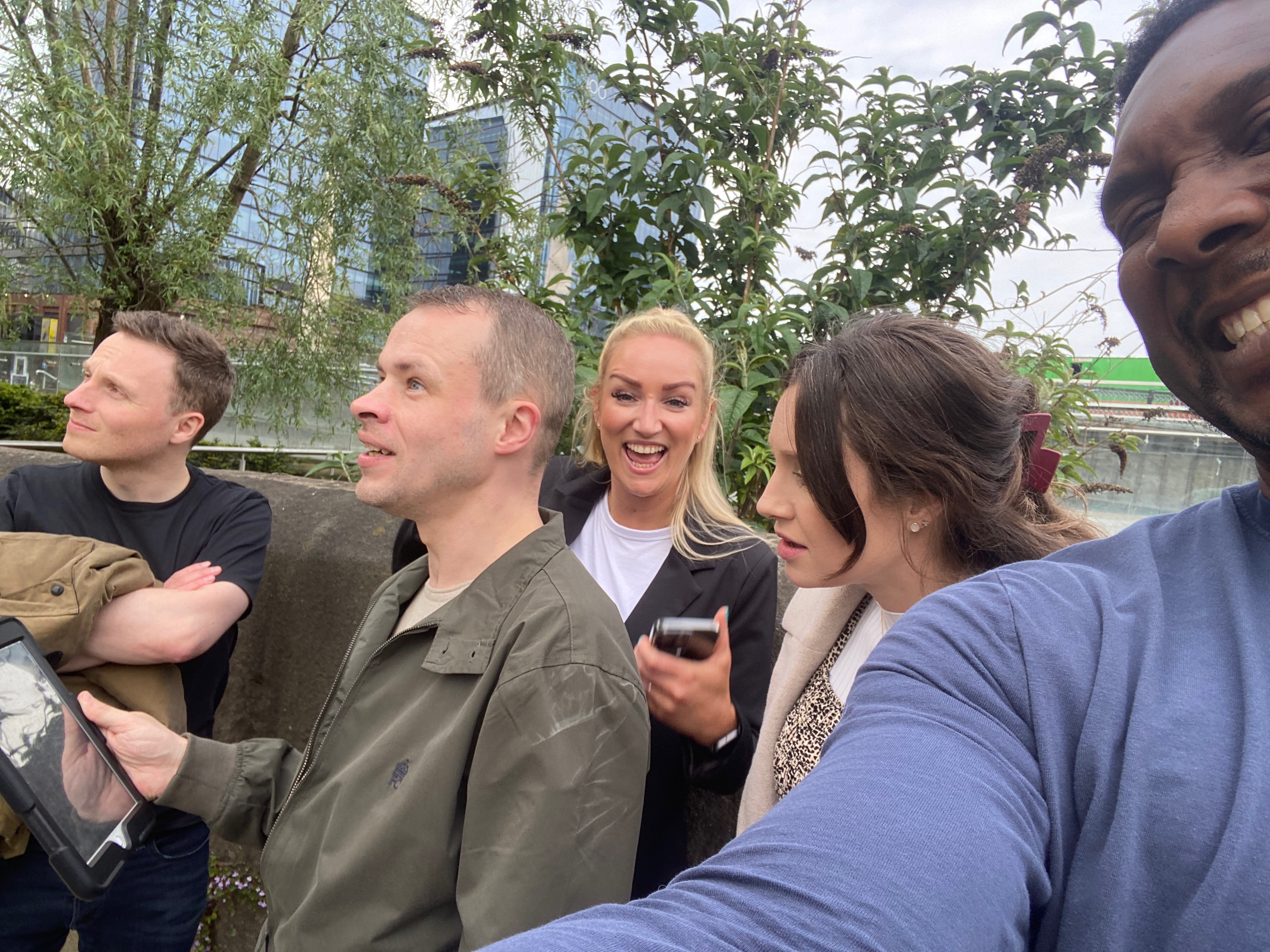
I recently attended The Importance of Allyship in Tech, hosted by Georgie Lynskey and the G&T (girls and tech!) community in Leeds.
It was a timely and necessary conversation; one that gave me a lot to reflect on during the journey home.
Rebels vs clones
While I was on the speaking circuit, I often talked about rebels versus clones in tech. Why progress stalls when we hire and promote people who all think and look the same. Why diversity and representation matter far more than we sometimes admit.
One question that came up again; one I’ve asked many times before:
How can we build products and deliver services for a diverse world, yet still hesitate to collaborate with and invest in diverse talent that would clearly strengthen what we do?
The Annual Amplify Report shared at the event reinforced the scale of the problem. One statistic that stood out: 73% of software engineers have considered leaving the tech industry due to gender bias. When you layer inflexible working practices on top of that, it’s hardly surprising how many women leave the industry altogether.
What allyship actually looks like
On the train home, I found myself reflecting more personally.
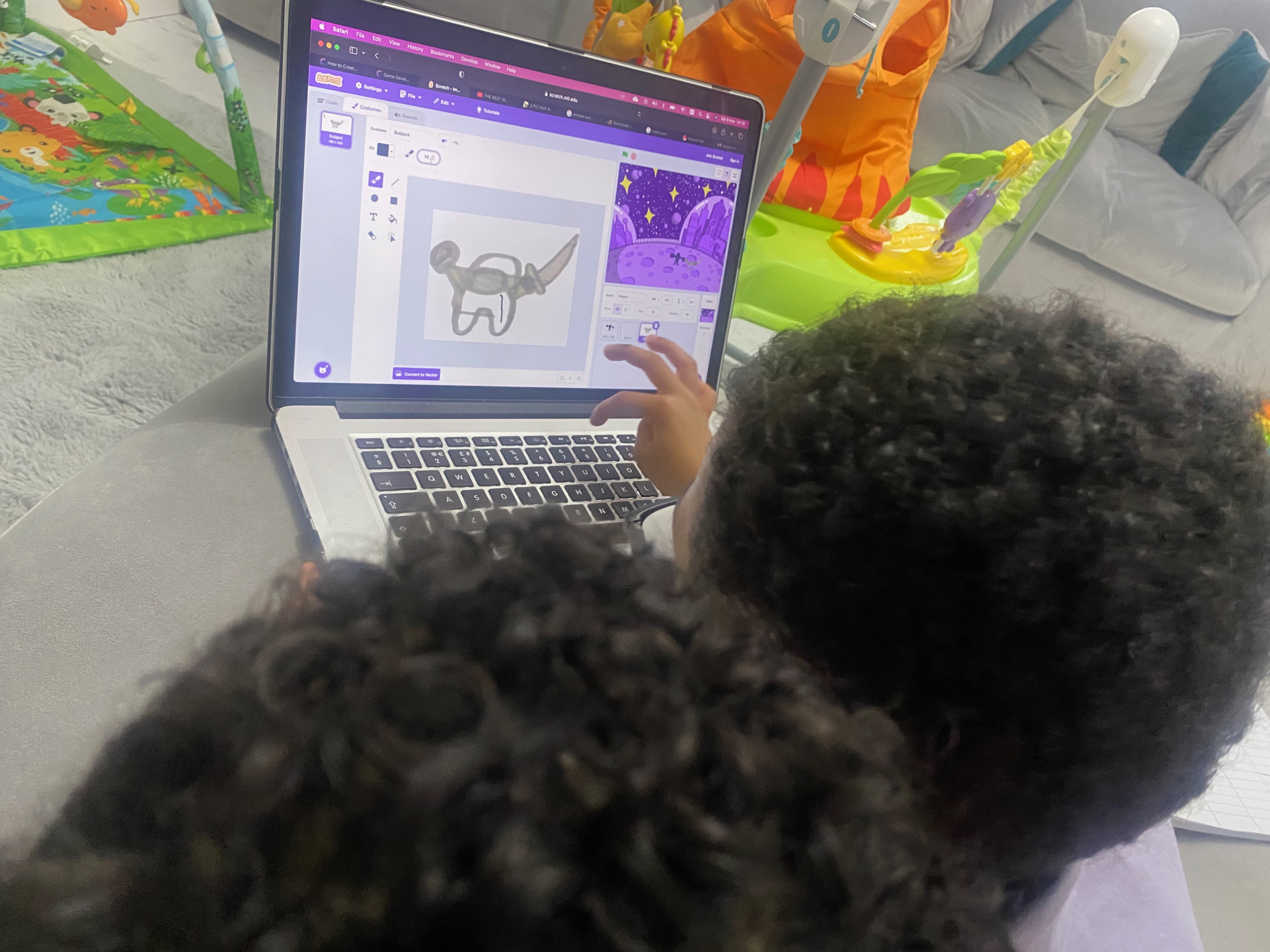
I’ve recently been able to take time between roles, and it has been one of the best decisions I’ve made. That flexibility has allowed me to be fully present as a dad, doing school drop-offs and pick-ups, caring for the kids when they’re unwell, reading in school with the kids without taking holiday, supporting at sports events, helping on school trips.
It has also meant I can better support my wife, giving her the space to fully focus on her career during periods that require extra commitment. We function better as a team, and I’m far more hands-on in running our household.
What this experience has reinforced for me is simple:
Being an ally, to women and to everyone, means enabling flexibility. It means creating environments where people can succeed not just professionally, but personally too.
Allyship is active
Allyship isn’t passive. It’s not enough to say you support diversity and inclusion while maintaining rigid structures that make it harder for people to thrive.
We should all be asking ourselves: What can I do to better support women in tech?
Not just what policies can we put in place. Not just what training can we run. But what can I, personally, do differently tomorrow?
“Allyship isn’t passive. What can I do to better support women in tech?”
That’s the question worth sitting with.