I gave this talk at Tech Nottingham in 2020 as a Black man working in an industry that doesn’t yet look like the society it serves. This is where the gap comes from, and what we can all do to close it.
Introduction
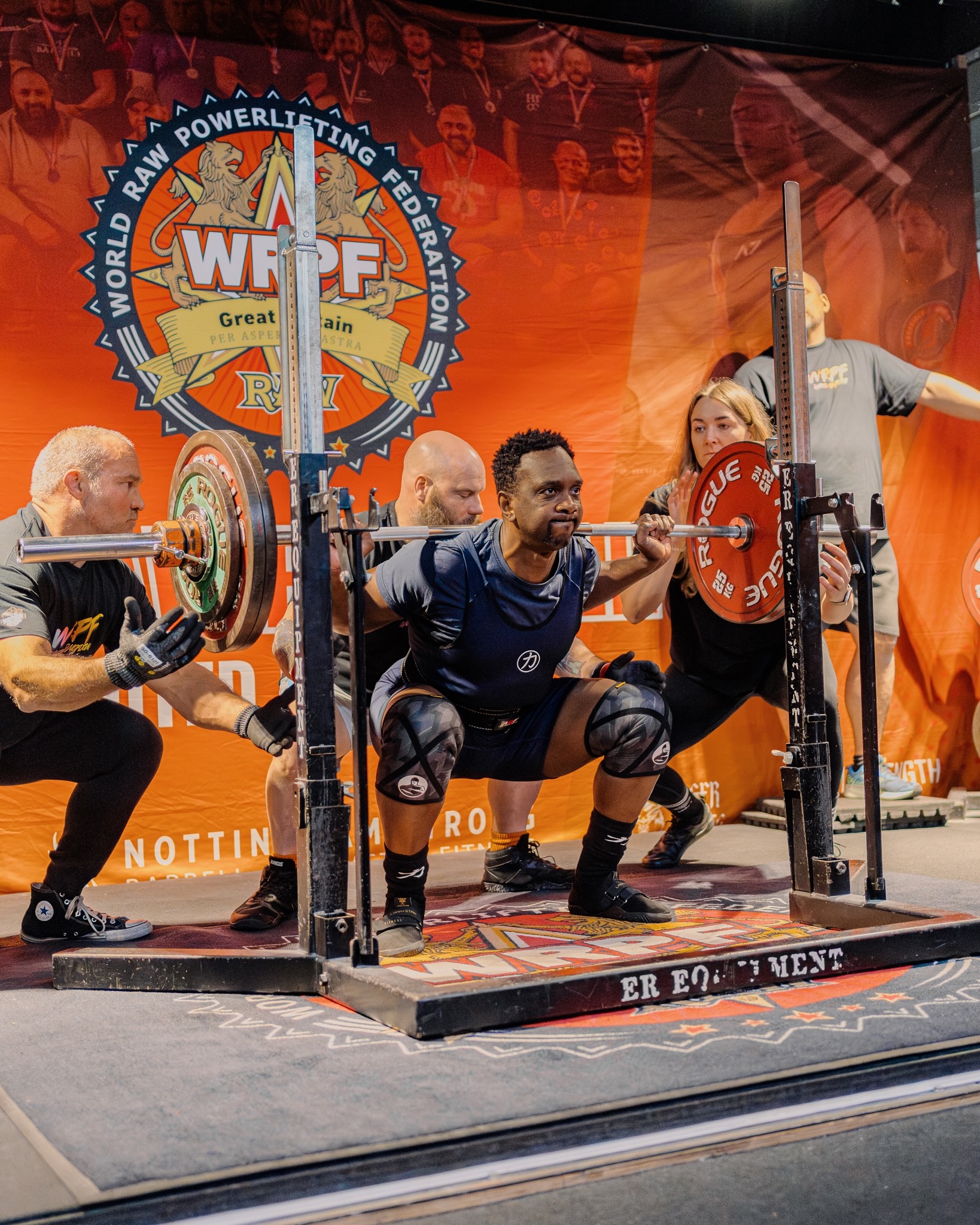
My name is Dwayne Codling. I am a front-end developer at JH. Before that I was a lecturer at Nottingham College for three years, so my route into tech was not a traditional one; no CS degree here. I love what I do, and if I can help people along the way, even better.
Diversity vs Inclusion
This talk is about Diversity versus Inclusion. I am doing it as a Black man, and I know it might land differently if someone white were standing here. But I want to represent what I face day to day, what I see in the industry, and what I have researched.
I want to help companies find ways to bring in more people from Black, Asian and minority ethnic backgrounds; different cultures, different classes. We just need a better mix. So let’s get into it.
Generational Wealth Gap
Let’s start with the generational wealth gap. Generational wealth is when assets, whether land, money, property or anything of value, are passed from one generation to the next. Land in particular tends to appreciate over time; a home worth £10,000 a hundred years ago might be worth millions today.
Now go back to 1865 in America. Slavery was abolished. Freed slaves had their freedom but no power, no land, no starting point. The one thing they asked for was land; enough to get on their feet and begin to close the gap with their white counterparts. President Lincoln agreed. He died before it happened.
His successor, Andrew Johnson, revoked the promise under pressure from white plantation owners who had no interest in seeing formerly enslaved people gain any foothold in society. That promise was never kept.
£792,000,000
Slavery was enormously profitable. White plantation owners became millionaires. The southern US states became the economic engine of the country.
People in England might say: that was America, not us. But between 1632 and 1807, nearly 200 years, British slave merchants made a profit of 12 million pounds on the purchase and sale of African people. Slave ports in Liverpool and Bristol transferred enslaved people to the colonies. People living in England owned slaves abroad and profited from the plantation system.
Twelve million pounds in the 1800s is nearly a billion pounds today. If your ancestors were part of that system, even at the edges, think about the generational head start that wealth represents compounding across generations.
Now contrast that with a Black person whose ancestors were enslaved and started with nothing. It is like starting a race with Usain Bolt and being shot in the foot at the starting line. You have no hope of competing.
White privilege is not just attitude; it is structural. The mainstream has always been built around and for people who are white. The tech industry, despite being only thirty years old, is no different.
The influence of white culture on the mainstream
Laws are made by parliaments that predominantly cater to people who look like them. The media caters to people who look like them. Institutional prejudice grows from that, quietly, over generations.
In tech we are still fighting for basic equality in an industry that is booming and technically modern but, in many ways, culturally stuck. It is 2020. Are we still talking about this? Yes. Because we still need to.
Nottingham Tech Scene
Is the Nottingham tech scene diverse? A lot of people would say yes: there are meetups, Women in Tech initiatives, ProjectFunction helping people from underprivileged backgrounds into the industry. That is all good. But let me push back.
When most people in Nottingham say diverse, what they mean is: we hired a white woman, while ten other white men work in the office. That is not diversity; it is a slightly wider shade of the same thing.
I am looking for someone who looks like a representation of me, and I cannot find them. A white woman may represent diversity for someone who is white. She does not represent it for me. Because the truth is: most women in tech are white women. And most people hired into tech in Nottingham, a genuinely mixed and diverse city, are white.
How can we say we are making products and services that represent society, if that is the case?
Tech Community vs Our Society
Look at your tech company’s Christmas party photos. Look at the all-company calls. Look at the team meetings on Instagram. Count who you see.
The tech industry is contrary to what society is.
Diversity means different opinions from different people of all shades, abilities and backgrounds. Not a slightly wider demographic slice of the same group.
Ignorance is a real thing
A lot of people say they do not see colour; that race means nothing, it is all about the individual. I understand the intention. But ignorance is real, regardless of intention.
I was born Black and I will never fully know what it is to be white. If you were born white, you will never fully know what it is to be Black. That is just true. The only way to close that gap is through conversation; asking, researching, learning. You might never empathise with someone you have no vested interest in. To build that vested interest, you have to start talking. We have to talk for you to know how I feel as a Black man in this industry.
Look at things through different lenses
We need people who look at problems differently; from different backgrounds, cultures and ethnic groups. The tech industry is booming. E-commerce, remote working, digital tools; all of it is growing fast. But if we do not have buy-in from everyone in society, and that appetite shifts, our industry will fail.
The only way to guarantee it does not fail is to have everyone involved in solving its problems. We make products and services for all of society. Should we not, in theory, have society represented in our workplaces?
How can we do better?
I grew up with a saying: “it takes a community to raise a child.” What it means for this industry is that we need to invest time in things we will not personally benefit from.
We need to plant seeds that we will never see become trees. Long-term thinking. Things that do not pay off straight away but have the potential to bloom into something great. Let me show you what I mean.
This is Mel
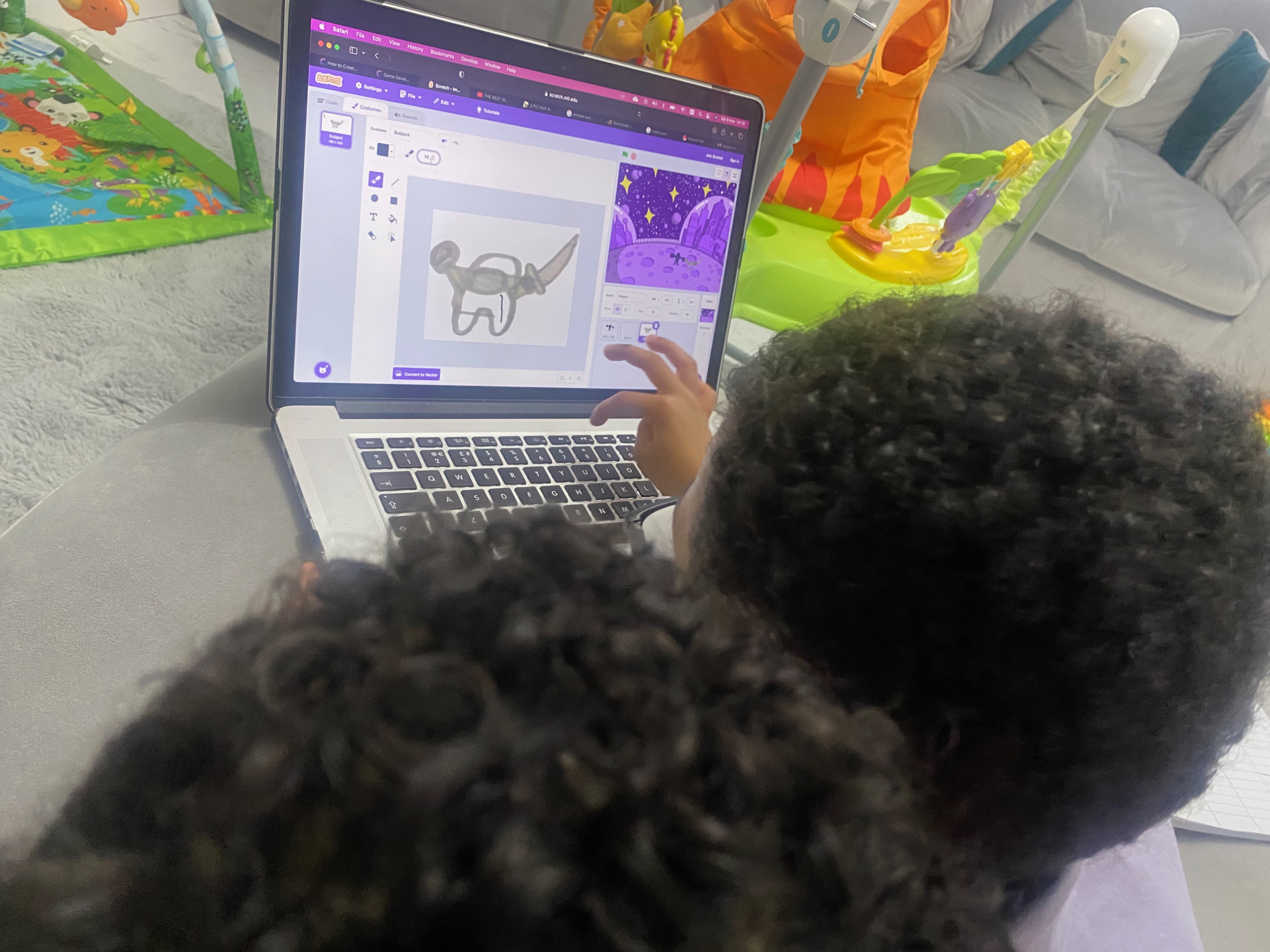
This is Mel and her daughter. I met Mel about a year and a half ago. She wanted to get into tech. She had had a first stint at college, left because she became pregnant, life happened. But she felt like web development was something she could genuinely do; she had a quick brain, she had read about self-taught developers, and she believed she could get there with support.
All she needed was a mentor. All I had to give was one hour a week.
We would meet up, I would look at what she was working on, give her feedback, tell her how to improve. She would come back having done it. That loop continued until she finished and applied for a job. She got one at Adtrack.
Now Mel is in the industry and mentoring others herself. Her daughter watches everything she does and copies her. There is a real possibility that her daughter comes into this industry because she sees her mum doing it; someone who looks like her, not just a white woman in tech but someone from a minority ethnic background.
That is what I mean by planting seeds you will never see become trees.
Diversity is a cornerstone of winning teams
Here is a scenario: you need to hire someone. One candidate is white and familiar to you; you know their work, there is an existing rapport. The other is Black, strong CV, good education, but you are less sure how they would fit your team culture.
Who do you hire?
I have seen your Christmas parties. I have seen your all-company calls. I know what the answer usually is. But for your company to have the best chance of winning, it needs to embrace diversity and inclusion as a strategic priority, not a tick box.
As Rosana Durrutthy, Vice President of Global Diversity, Inclusion and Belonging at LinkedIn, put it: “Approach diversity and inclusion as a team sport. Talent acquisition should act like the backup point guard in basketball, or the attacking midfielder in football; setting up and feeding teammates so the whole team can succeed.”
That is why representation matters at every level. I saw a video of a little Black girl hugging a female developer because she could not believe this person ran a massive company and looked just like her. That sent shockwaves through me. Because that is exactly why I am giving this talk.
Do not focus on visual appearance; focus on the agenda
Ask yourself: who are your clients? What do they look like? Who makes your products? Do they all look the same?
I have been told by someone that they treat everyone the same and “don’t see colour”. That person was white. My response is simple: if you could change your race to Black, would you? If race truly means nothing, why would that be a difficult question?
I grew up in Jamaica, where the majority of the population is Black but a lighter skin tone meant preferential treatment. The Prime Minister, governing a distinctly Black country, looked like a white man. I never grew up thinking I could be Prime Minister; because that was not what I saw.
If someone is telling me, in England, where the population is predominantly white: “I don’t see colour, everyone is the same.” I see colour. Everybody is not the same.
You do not lose your white privilege by not understanding it. I do not want you to feel bad about being white, the same way I do not want to feel uncomfortable for being Black. But critiquing an industry from a different point of view is not a negative thing. It is a positive thing. That is why I am here.
Create & Accelerate Opportunities
Create and accelerate opportunities for others. White is the default mode; but dark mode is sweet. It saves battery, it is easier on the eyes at night. Having the option to switch is not a bad thing. Being different is not a bad thing. It leads to new approaches and thinking outside the default.
Stop saying you do not see colour, or that prejudice does not exist. That is ignorance, and it comes from not having a diverse enough view of the world. Your social media feed and your YouTube algorithm are not reality. The world is made up of different races, beliefs and cultures. Start having conversations with people outside your usual circle.
Stories & Drive
Use stories and drive to evaluate how someone fits your company agenda.
Women in tech is great; I fully support it. But there should be similar initiative towards people from minority ethnic backgrounds. It is only fair that a diverse workplace has diverse representation, not just on gender.
Being the only woman in an office full of men is not ideal. Being the only Black woman in an office of male colleagues is not ideal either. Both make you feel isolated. I will let you decide which is harder.
Why are you not helping people?
For people from underrepresented ethnic groups already working in tech: show up, take part, ask for progression. Represent by being present.
For people in privileged positions: opening the door and saying we could hire someone from a minority background is not enough. Do the work. Can you imagine someone who looks like me doing your job? Can you make that a reality?
Try a different approach
Relying on recruiters to bring you candidates is lazy. Do your own research. Use a different matrix: are they smart? Do they work hard? Are they humble? Are they the kind of person who makes everyone around them better?
When you hire someone from a minority ethnic group, what happens next? Does that person have to start assimilating, acting like someone else to fit in? Does the woman you hire have to become “one of the boys”?
Your workplace should bring people’s culture forward and make them feel comfortable being who they are. If your interview process is right, you will find those people. Recognise potential in someone from a diverse background who has more ability than their circumstances have allowed them to show, and give them room to achieve.
Culture, Profit and Work
Think of Culture, Profit and Work as a holy trinity. None should outweigh the other two. Start asking “why don’t we?” instead of “that’s just how we do things”.
There are companies in Nottingham turning over £10 million a year in profit and giving £4,000 to Women in Tech. Some of those same companies give zero to ProjectFunction. That is a choice. Your investment tells people what you actually value.
Core Vision & Goals
Removing names, locations and dates of birth from job applications is a start. But I guarantee that as soon as the process reaches a face-to-face interview run by someone looking for someone who looks like them, the diverse candidate will not get the job.
Organisations are often lazy about this because it is easier not to change. They gravitate towards people who are similar to them; same interests, same background, same look.
The fix has to come from the top. A CEO who genuinely wants diversity needs to put it in writing as a core vision and a goal, make sure everyone in the organisation is aligned behind it, and attach accountability to it. Not a statement. A commitment.
Closing
Our industry is a beautiful one. I work here and I want my kids to look up to me and think they could work here too; to feel comfortable, to feel included, to feel like they can go anywhere within it.
There will always be a shortage of people who look like me in tech, until we make different choices.